7302172756
infophysio360therapy@gmail.com
Professional Doctors

Friendly Staff

Affordable Prices

With 10% Discount

Free Consultation

And Medical Counseling

Post-mastectomy Recovery: How Physiotherapy Helps Women Heal After A Mastectomy

A mastectomy is not just a surgical procedure—it is a life-changing event that affects a woman’s physical, emotional, and functional well-being. Physiotherapy after mastectomy plays a critical role in helping women recover safely after breast cancer surgery. With the right physiotherapy care, patients can regain strength, mobility, confidence, and independence while reducing pain and long-term complications.

Understanding the Impact of Mastectomy on the Body

A mastectomy involves the removal of breast tissue and may also include lymph node removal or muscle involvement. This can lead to several physical challenges, including:

  • Shoulder stiffness and restricted arm movement

  • Pain in the chest area, under the arm, or along the upper back

  • Postural changes due to muscle imbalance

  • Swelling (lymphedema) after lymph node removal

  • Scar tightness and tissue adhesions

  • Fatigue, weakness, and reduced daily activity tolerance

Physiotherapy after mastectomy is designed to address these challenges in a safe, structured, and progressive manner.

Why Physiotherapy After Mastectomy Is Essential

 Restores Shoulder and Arm Mobility

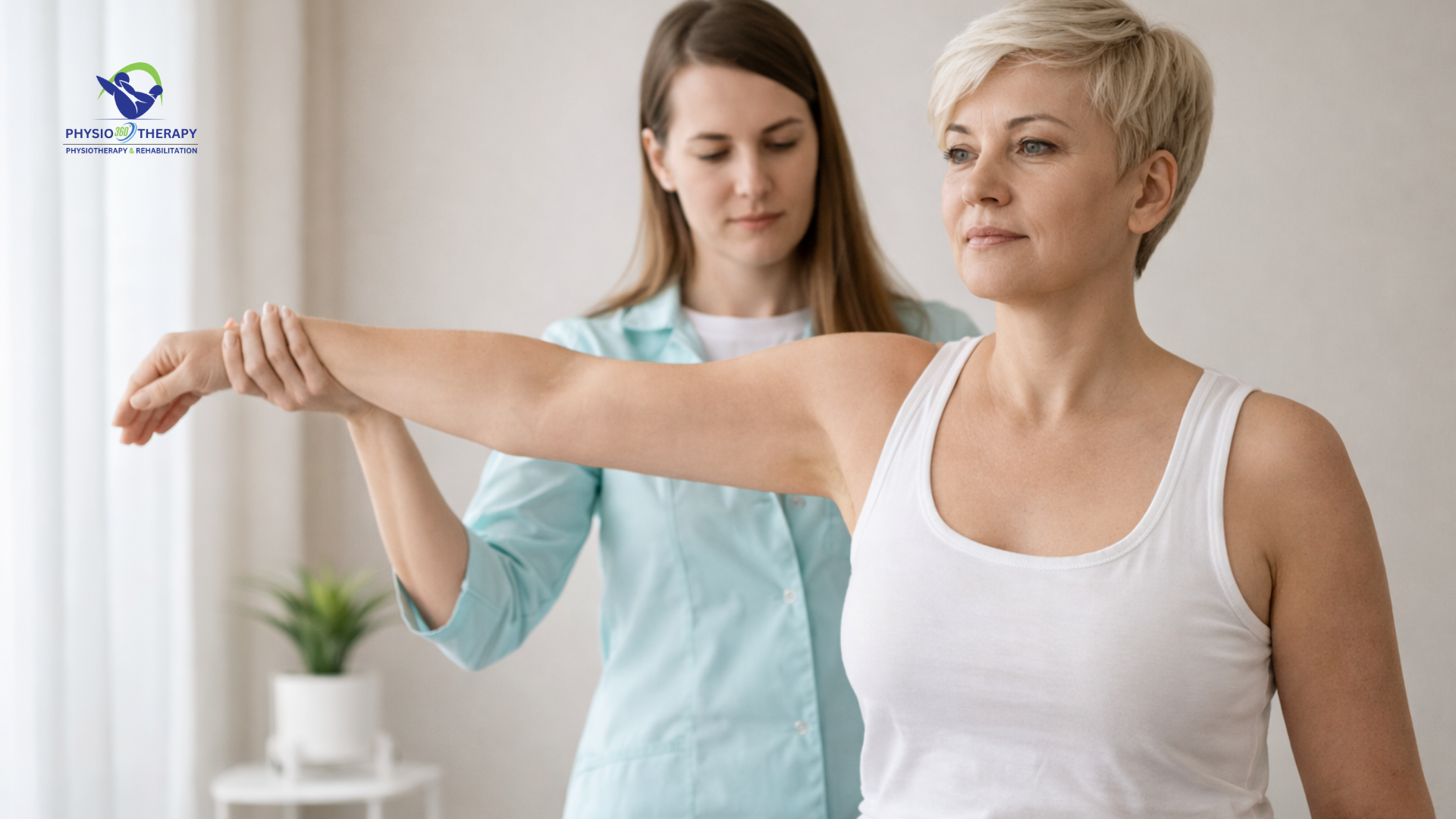
After surgery, tightness in the chest and shoulder often limits arm movement. Physiotherapy uses gentle mobility and stretching exercises to restore full shoulder range of motion and prevent long-term stiffness or frozen shoulder.

 Reduces Pain and Post-Surgical Discomfort

Pain is common after breast cancer surgery. Physiotherapists use techniques such as:

  • Gentle manual therapy

  • Myofascial release

  • Soft-tissue mobilization

  • Guided stretching
    These methods help reduce muscle tension, nerve sensitivity, and discomfort.

 Prevents and Manages Lymphedema

Lymphedema is one of the most serious complications after mastectomy. Trained physiotherapists help with:

  • Manual lymphatic drainage

  • Compression therapy

  • Therapeutic exercises

  • Skin-care education
    Early physiotherapy after mastectomy significantly reduces the risk of chronic swelling.

 Improves Posture and Strength

Protective postures after surgery often lead to neck, shoulder, and back pain. Physiotherapy strengthens:

  • Upper back and shoulder blade muscles

  • Core stability

  • Breathing and chest expansion
    This improves posture and long-term comfort.

 Enhances Scar Healing and Tissue Flexibility

Once the incision has healed, physiotherapists perform gentle scar-mobilization techniques to prevent adhesions and tightness. Patients are also taught safe self-scar massage techniques.

When Should Physiotherapy After Mastectomy Begin?

The timing depends on the type of surgery and medical advice, but generally:

  • Gentle movements begin within 1–2 days post-surgery

  • Structured physiotherapy starts after 2–3 weeks

  • Strength training begins once healing is stable
    A qualified physiotherapist coordinates closely with the surgeon for safe recovery.

Common Home Exercises Recommended by Physiotherapists

Under professional guidance, patients may perform:

  • Deep breathing and chest expansion exercises

  • Shoulder rolls and arm circles

  • Wall-climbing exercises

  • Gentle chest and underarm stretching

  • Resistance band strengthening (later stages)

These exercises support faster and safer recovery after mastectomy.

Why Professional Physiotherapy Guidance Matters

Every woman’s recovery journey is unique. Radiation therapy, reconstruction surgery, age, and fitness levels all affect healing. Physiotherapy after mastectomy ensures exercises are personalized, safe, and progressed correctly to prevent chronic pain, stiffness, or swelling.

Conclusion

Physiotherapy after mastectomy is a vital part of breast cancer recovery. It helps reduce pain, restore movement, prevent lymphedema, improve posture, and rebuild confidence. With expert physiotherapy care, women can regain control over their bodies and return to daily life with strength and comfort.

A mastectomy is not just a surgical procedure—it is a life-changing event that affects a woman’s physical, emotional, and functional well-being. Physiotherapy after mastectomy plays a critical role in helping women recover safely after breast cancer surgery. With the right physiotherapy care, patients can regain strength, mobility, confidence, and independence while reducing pain and long-term complications.

Understanding the Impact of Mastectomy on the Body

A mastectomy involves the removal of breast tissue and may also include lymph node removal or muscle involvement. This can lead to several physical challenges, including:

  • Shoulder stiffness and restricted arm movement

  • Pain in the chest area, under the arm, or along the upper back

  • Postural changes due to muscle imbalance

  • Swelling (lymphedema) after lymph node removal

  • Scar tightness and tissue adhesions

  • Fatigue, weakness, and reduced daily activity tolerance

Physiotherapy after mastectomy is designed to address these challenges in a safe, structured, and progressive manner.

Why Physiotherapy After Mastectomy Is Essential

 Restores Shoulder and Arm Mobility

After surgery, tightness in the chest and shoulder often limits arm movement. Physiotherapy uses gentle mobility and stretching exercises to restore full shoulder range of motion and prevent long-term stiffness or frozen shoulder.

 Reduces Pain and Post-Surgical Discomfort

Pain is common after breast cancer surgery. Physiotherapists use techniques such as:

  • Gentle manual therapy

  • Myofascial release

  • Soft-tissue mobilization

  • Guided stretching
    These methods help reduce muscle tension, nerve sensitivity, and discomfort.

 Prevents and Manages Lymphedema

Lymphedema is one of the most serious complications after mastectomy. Trained physiotherapists help with:

  • Manual lymphatic drainage

  • Compression therapy

  • Therapeutic exercises

  • Skin-care education
    Early physiotherapy after mastectomy significantly reduces the risk of chronic swelling.

 Improves Posture and Strength

Protective postures after surgery often lead to neck, shoulder, and back pain. Physiotherapy strengthens:

  • Upper back and shoulder blade muscles

  • Core stability

  • Breathing and chest expansion
    This improves posture and long-term comfort.

 Enhances Scar Healing and Tissue Flexibility

Once the incision has healed, physiotherapists perform gentle scar-mobilization techniques to prevent adhesions and tightness. Patients are also taught safe self-scar massage techniques.

When Should Physiotherapy After Mastectomy Begin?

The timing depends on the type of surgery and medical advice, but generally:

  • Gentle movements begin within 1–2 days post-surgery

  • Structured physiotherapy starts after 2–3 weeks

  • Strength training begins once healing is stable
    A qualified physiotherapist coordinates closely with the surgeon for safe recovery.

Common Home Exercises Recommended by Physiotherapists

Under professional guidance, patients may perform:

  • Deep breathing and chest expansion exercises

  • Shoulder rolls and arm circles

  • Wall-climbing exercises

  • Gentle chest and underarm stretching

  • Resistance band strengthening (later stages)

These exercises support faster and safer recovery after mastectomy.

Why Professional Physiotherapy Guidance Matters

Every woman’s recovery journey is unique. Radiation therapy, reconstruction surgery, age, and fitness levels all affect healing. Physiotherapy after mastectomy ensures exercises are personalized, safe, and progressed correctly to prevent chronic pain, stiffness, or swelling.

Conclusion

Physiotherapy after mastectomy is a vital part of breast cancer recovery. It helps reduce pain, restore movement, prevent lymphedema, improve posture, and rebuild confidence. With expert physiotherapy care, women can regain control over their bodies and return to daily life with strength and comfort.

Physiotherapy After Mastectomy | Best Physiotherapist in Delhi